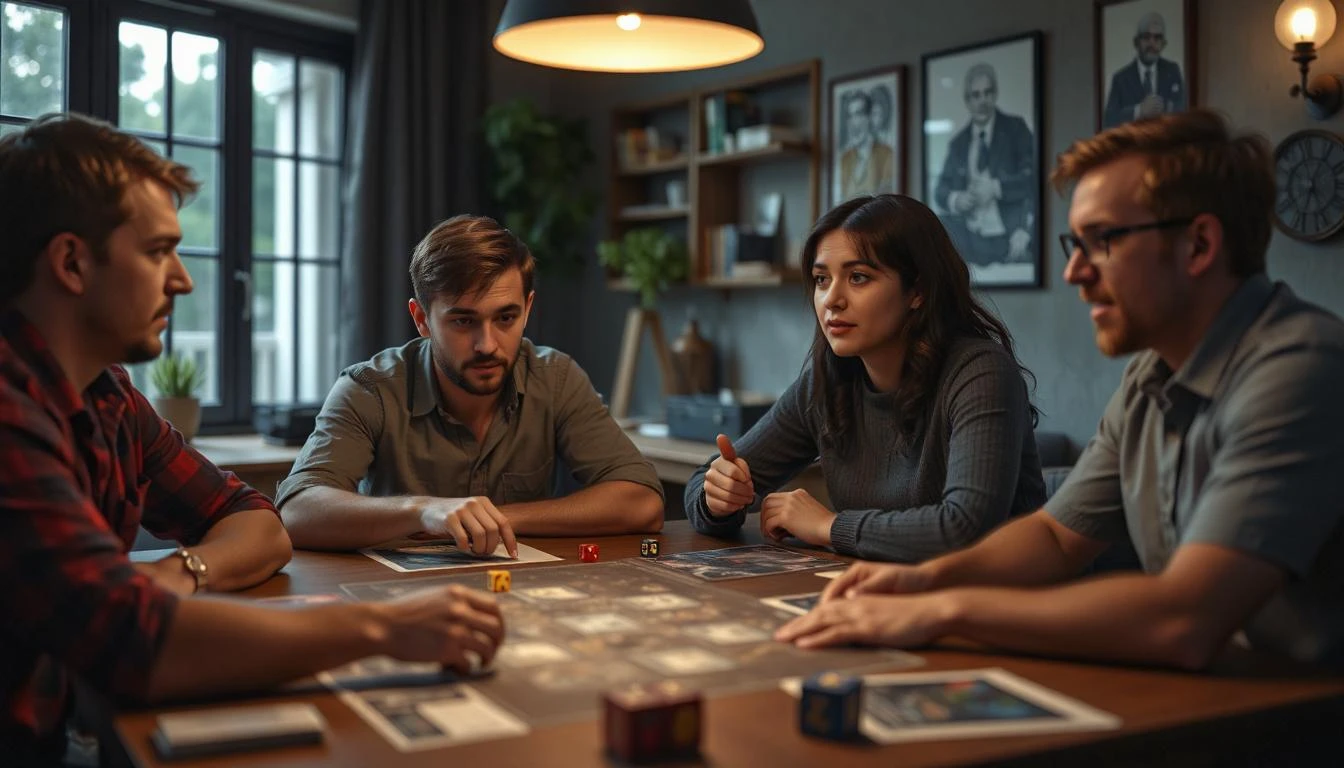
Smart Strategy Guides For Beginners
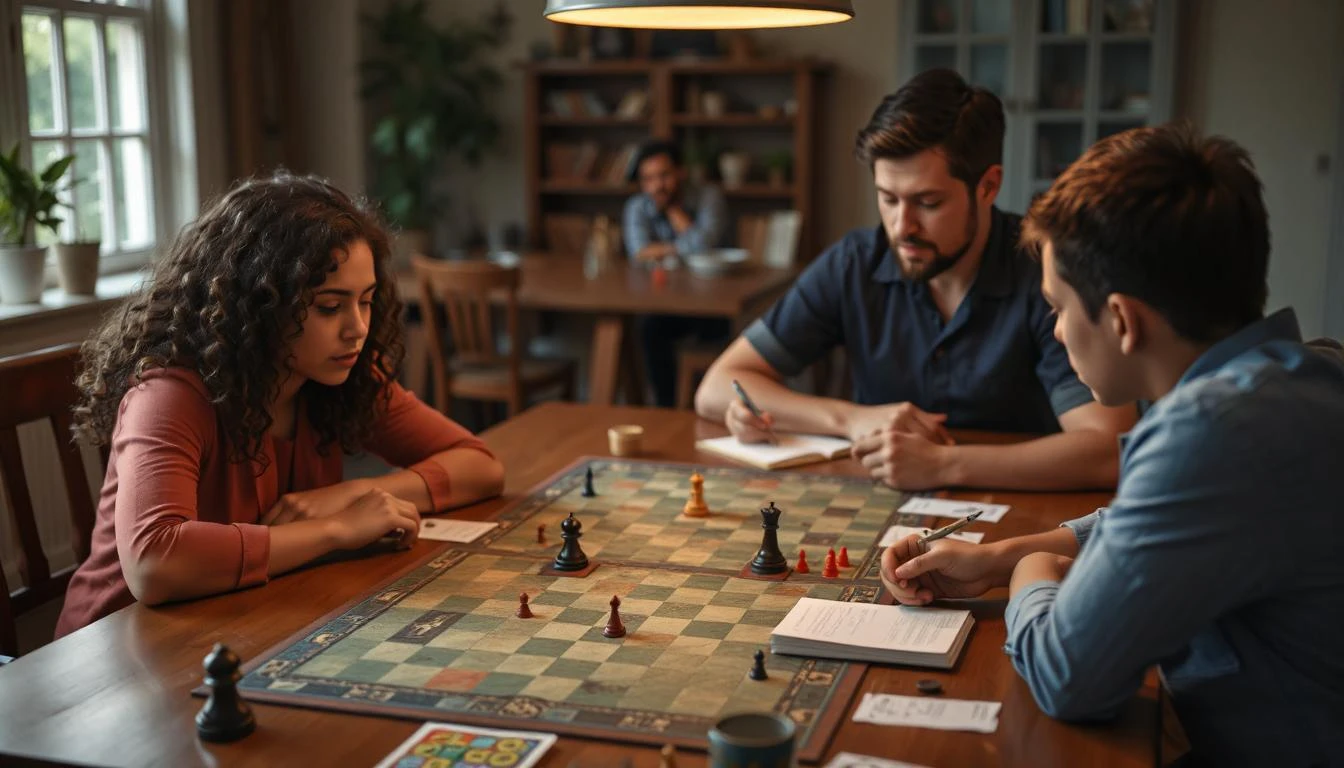
Gaming today isn’t just about fast reflexes, it’s about how well you think, adapt, and outmaneuver your opponents. If you’ve ever felt stuck repeating the same mistakes or struggling to win consistently, you’re not alone. Many players hit a plateau not because they lack skill, but because they lack a structured way to approach the game.
That’s where strategy guides come in. They act as a powerful framework to help you understand mechanics, refine decisions, and build a smarter way to play. When you start seeing games as systems instead of chaos, everything changes, your confidence grows, your moves become intentional, and your results begin to reflect that shift.
Understanding Strategy Game Basics
Before jumping into advanced tactics, it’s important to pause for a moment and ask yourself: do you really understand how the game works at its core? Many players rush ahead, but the ones who improve the fastest always build a strong foundation first.
When you begin exploring beginner game strategies, you start noticing patterns that were previously invisible. These patterns become your advantage, helping you make smarter decisions without overthinking every move.
Learning game objectives
Every game has a purpose, but not every player truly aligns with it. Winning isn’t just about playing, it’s about playing with direction. When you clearly understand the objective, every action you take becomes more efficient.
Instead of reacting randomly, you start asking better questions: What’s my goal right now? How does this move contribute to it? That shift alone can dramatically improve your gameplay.
Resource management fundamentals
Resources are often limited, and how you use them determines your success. Whether it’s time, currency, or units, wasting resources early can cost you later.
Strong players focus on optimization. They invest in what gives long-term value rather than short-term satisfaction. Over time, this builds a sustainable advantage that’s hard to beat.
Building tactical thinking
Tactical thinking is what separates reactive players from strategic ones. It’s about predicting outcomes before they happen and preparing for them.
As game designer Sid Meier once said, “A game is a series of interesting decisions,” and that perfectly captures why thinking ahead matters. Each decision shapes the next, and when you start connecting those decisions, your gameplay becomes sharper and more controlled.
Essential Beginner Strategies
Now that you understand the basics, the next step is applying them in real situations. This is where many players struggle, not because they don’t know what to do, but because they don’t know how to execute it consistently.
Developing beginner game strategies requires patience, awareness, and a willingness to adjust. It’s not about being perfect, but about improving with every match you play.
Planning moves effectively
Planning gives you direction. Without it, you’re just reacting.
Try breaking your decisions into layers: immediate impact and future consequences. This helps you avoid impulsive actions and builds a habit of thinking ahead.
Avoiding common mistakes
Mistakes are part of the process, but repeating them slows you down. Common issues like overextending, ignoring objectives, or underestimating opponents can easily be avoided once you recognize them.
The key is awareness. When you start identifying patterns in your own gameplay, improvement becomes much faster.
Adapting to opponents tactics
No two opponents play the same way. That’s why adaptability is crucial.
Instead of sticking to one rigid plan, learn to observe and adjust. Notice how your opponent plays, then respond accordingly. This flexibility gives you a significant edge.
Improving Skills Through Practice
Improvement doesn’t happen overnight, but it does happen with consistency. The more you play with intention, the faster you grow.
At this stage, it’s no longer just about playing more, it’s about playing smarter. Each session becomes an opportunity to refine your approach and sharpen your decision-making.
Analyzing gameplay decisions
After each game, take a moment to reflect. What worked? What didn’t?
This simple habit can transform your progress. By reviewing your decisions, you begin to understand cause and effect, making it easier to improve in future matches.
Learning from experienced players
Watching skilled players can reveal insights you might never notice on your own. Pay attention to their timing, positioning, and choices.
Game designer Jesse Schell once stated, “The player’s mind is the real game,” highlighting that success comes from how you think, not just what you do. Learning from others helps you reshape that mindset.
Developing long term strategies
Short-term wins feel great, but long-term strategies create consistency.
Focus on building systems, ways of playing that give you advantages over time. This could mean controlling key areas, managing resources better, or planning several moves ahead.
Start Mastering Smart Strategies And Improve Your Gameplay Today
At this point, you might be realizing something important, improvement isn’t about playing harder, it’s about playing smarter. When you combine structure, awareness, and adaptability, your gameplay naturally evolves.
The real difference comes when you start trusting your decisions and refining them over time. That’s when progress becomes consistent, not accidental. So if you’re ready to move beyond guesswork and start winning with intention, now is the perfect time to apply what you’ve learned and take your gameplay to the next level.